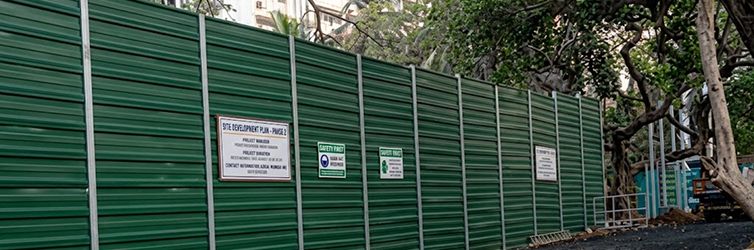
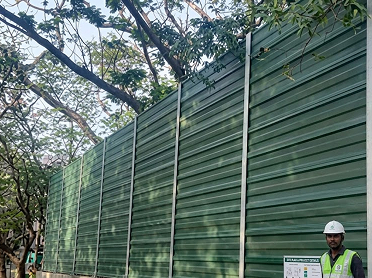
Noise Barriers for Construction Sites
Technical Specifications & Installation Methodology for High-Performance Aluminum Noise Barriers.
 System Overview
Dimensional Specifications
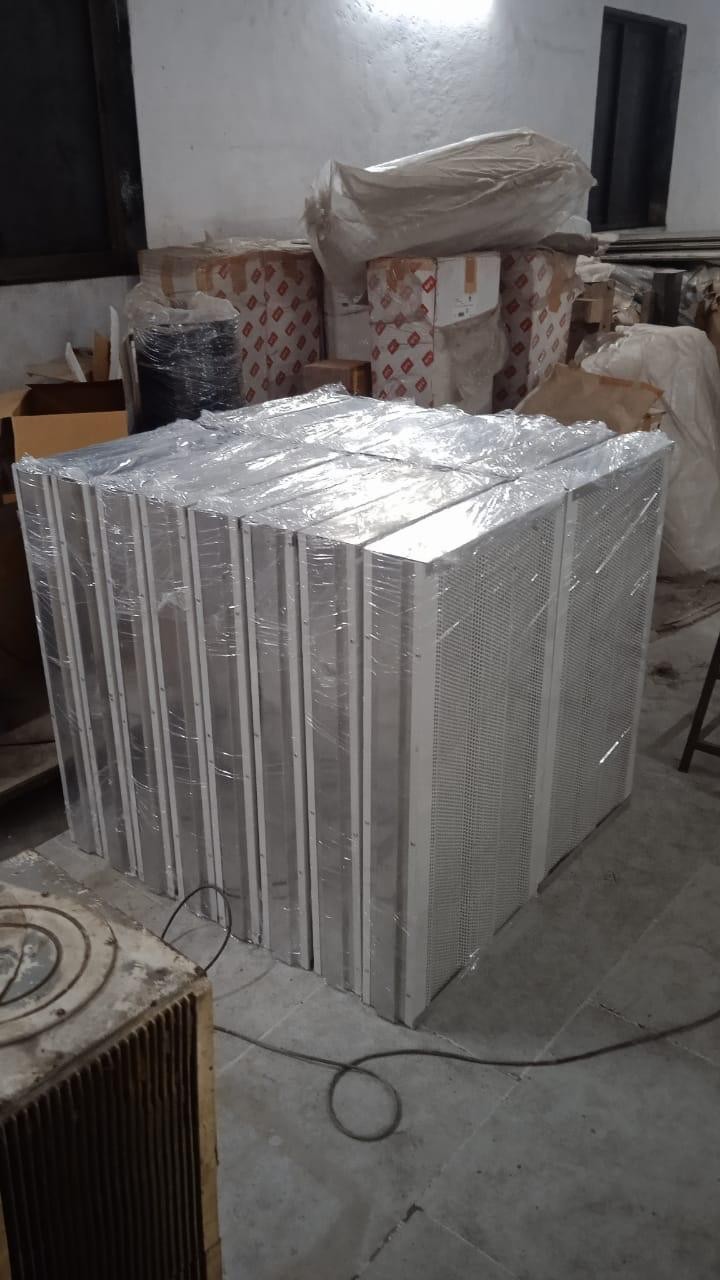
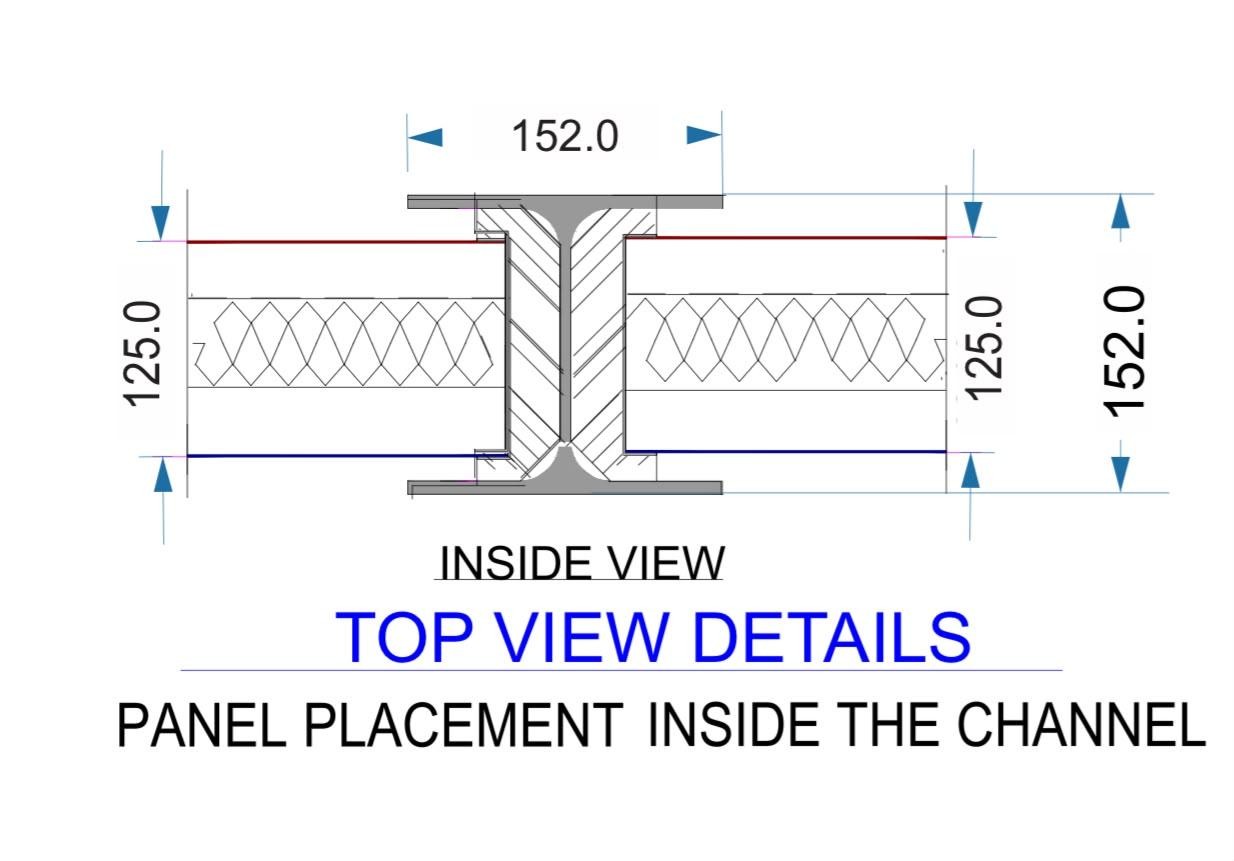
Our aluminum noise barrier panels are engineered for optimal acoustic absorption and structural integrity, adhering to strict dimensional tolerances.
 Material Specifications
Panel Construction
A detailed look into the dual-action acoustic mechanics and internal assembly.
Aluminum Skin
Constructed with dual aluminum sheets. The front faces the noise source and is 1.25 mm thick. The back provides structural rigidity at 1 mm thickness.
Surface Treatment
The entire exterior is heavily powder-coated. This provides supreme resistance against harsh weather, UV radiation, and roadside pollutants.
EPDM FR Gasket
Equipped with Fire-Retardant EPDM rubber gaskets. These ensure a tight, vibration-damping seal between panels and structural posts.
Internal Assembly
Acoustic Core Mechanics
Sound waves pass through the front perforations, enter the internal mineral wool or acoustic infill, and dissipate. The solid back plate prevents transmission.
*The drawing shown is a standard construction of panel which will be the same for our site too. But the structural members in ours will be different.*
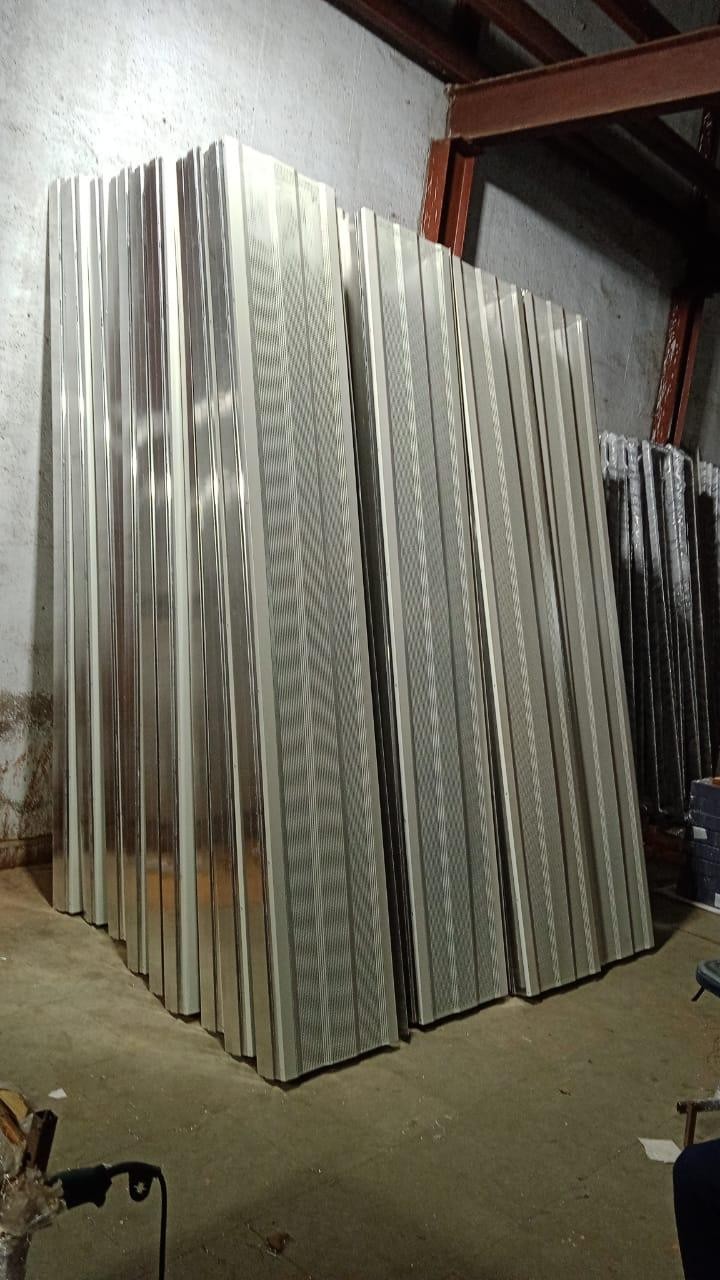
 Front vs. Back Plates
Dual-action panel faces
1.25 mm Perforated Aluminum
The 1.25 mm thick Aluminum Sheet is strategically perforated. This open area allows incident sound waves to enter the panel rather than reflecting back into the environment. The thicker gauge resists impacts from road debris.
1.00 mm Solid Aluminum
The 1.00 mm thick Aluminum Sheet is completely plain and solid. This acts as an acoustic barrier, ensuring that noise which passes through the core is blocked from transmitting to the protected side.
Acoustic Performance
STC Rating comparison
The dual-layer aluminum panel with acoustic infill provides superior Sound Transmission Class (STC) ratings compared to traditional barrier materials, ensuring maximum noise reduction.
Primary Applications
Where our barriers perform
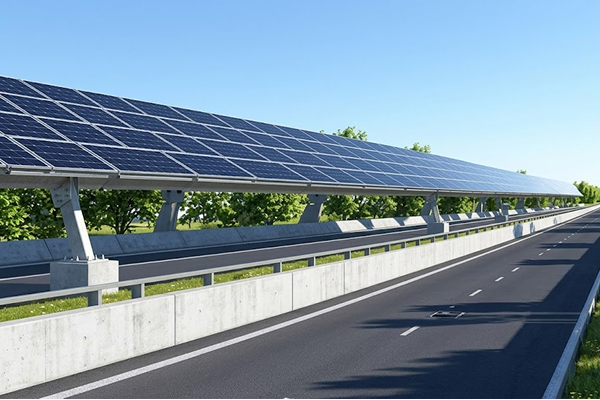
Highway Networks
Shielding residential areas from continuous, high-speed vehicular traffic noise.
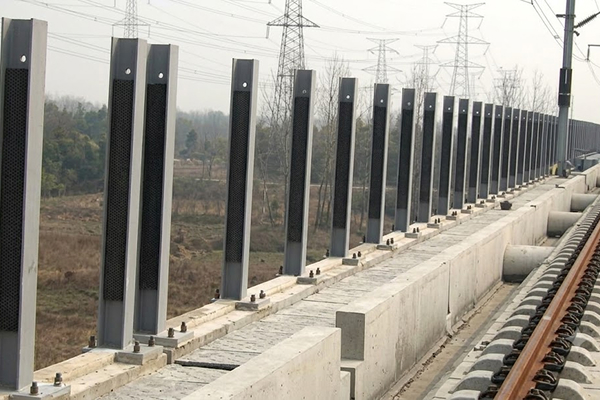
Railway Corridors
Mitigating aerodynamic and wheel-rail interface noise in urban transit zones.
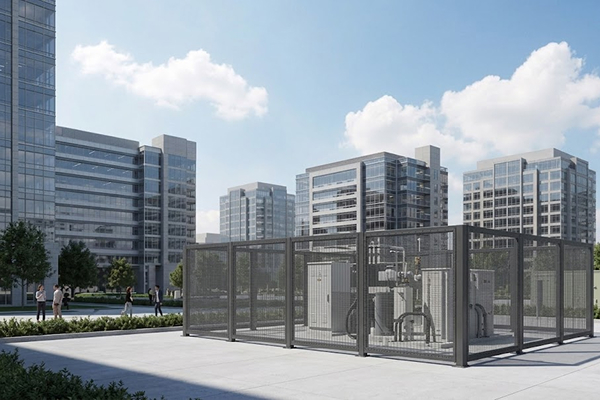
Industrial Zones
Enclosing heavy machinery and manufacturing plants to meet strict occupational guidelines.
Installation Methodology
Challenges & Prerequisites (Client Scope)
Identifying necessary site modifications and structural reinforcements required before panel installation can commence.
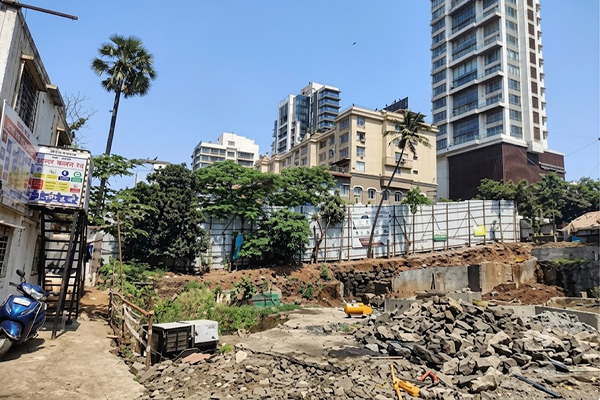
Site Clearance
Removal of existing plantation beds and tree cutting/trimming to facilitate installation.
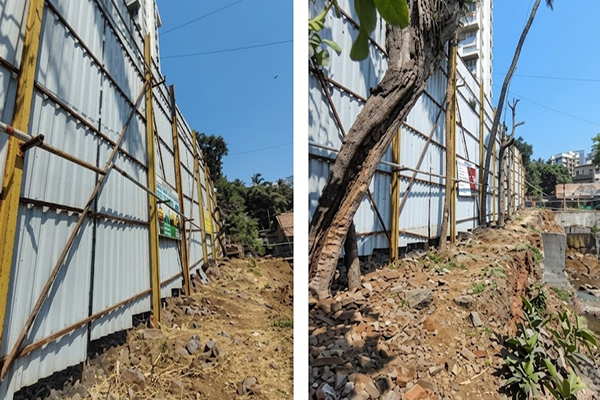
Structural Alignment
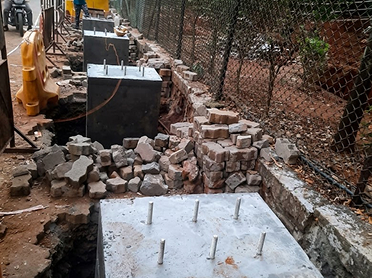
New ISMB sections needed where existing poles are not aligned straight. Corrections required for every poleweld top sections.
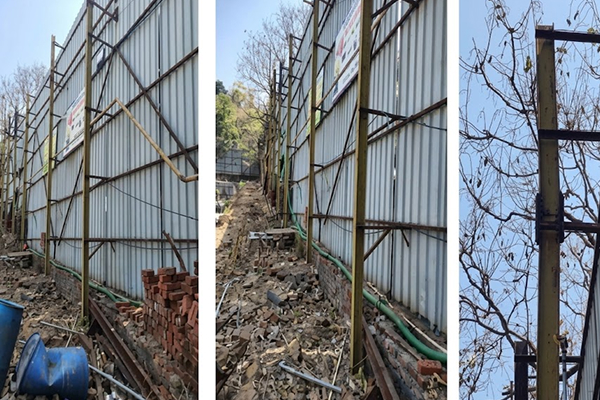
Relocation & Support
Relocation of sprinkler pipes and shifting of fencing supports to the outer side to prevent obstruction.
Structural Preparation
ISMB Alignment & Strengthening
Inspection & Alignment
Assess condition and alignment of existing ISMBs. Mark locations for correction and verify spacing.
New ISMB & Support
Erect new posts where required. Install perpendicular/diagonal supports to handle the 7 m height load.
Civil Work (Client)
Excavation, RCC work, and underground pits for fixing new supports and maintaining structural stability.
Installation Workflow
Panel Deployment Process
Step-by-step methodology for executing the noise barrier installation post-structural preparation.
Prep & Measurement
Final measurements to decide precise panel dimensions and post positions.
ISMB Extension
Joining extended ISMB parts (if needed) with welding/fastening and ensuring strength.
Panel Fixing
Sliding custom aluminium panels down the H-beam channels.
Final Handover
Re-checking alignment, stability testing, site cleaning, and handover to client.
Deployment Process
Foundation to fixing — scope of works
Foundation
Excavation and casting of concrete foundations with embedded anchor bolts as per structural design.
Upright Erection
Installation of steel H-beams onto foundations, ensuring perfect vertical alignment and spacing.
Panel Insertion
Sliding the 500 mm high aluminum panels down the H-beam channels, stacking them to required height.
Fixing
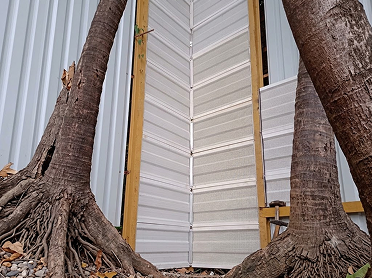
Panels will be stacked on each other and they will get interlocked in a male–female pattern.
Project Showcase
Successfully delivered high-impact barrier installations
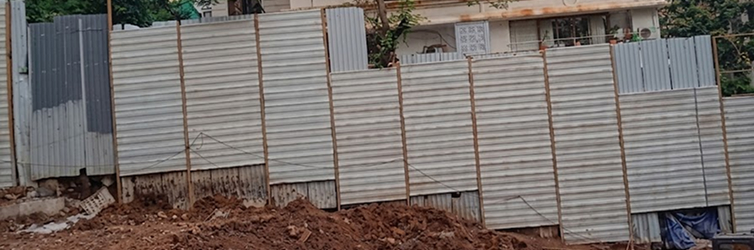
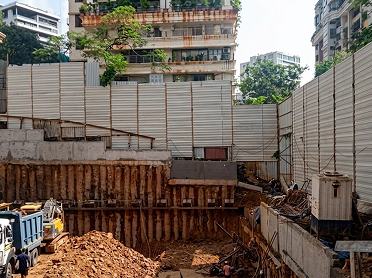
Rustomjee Panorama Site
A premier acoustic shielding project featuring high-durability aluminum noise barriers. Engineered for robust wind-load resilience and maximum sound mitigation in premium residential developments.
- Robust structural alignment with steel H-beams
- Interlocking male-female acoustic panels
- Premium noise reduction performance
Purvankara Miami Site
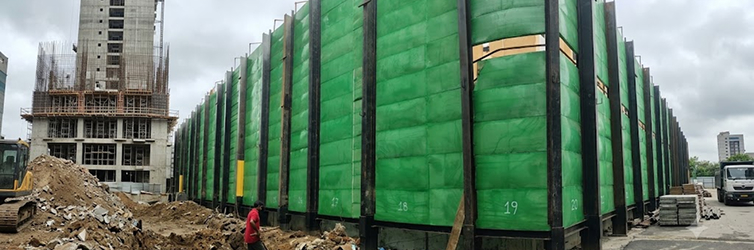
A premier acoustic shielding project featuring dual-layer aluminum noise barriers. Designed for high-performance sound absorption and structural resilience in high-density urban environments.
- Robust structural alignment with steel H-beams
- Interlocking male-female panel system
- Premium noise reduction coefficient
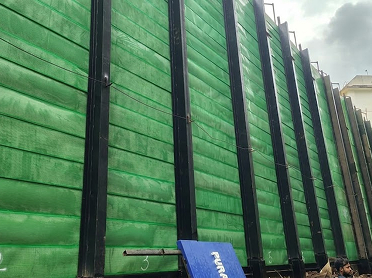
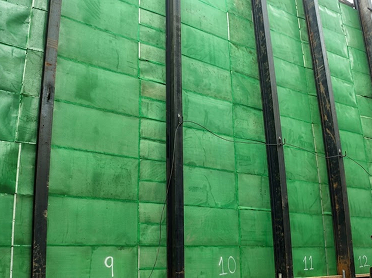
Oberoi Site
A premier acoustic shielding project featuring high-durability aluminum noise barriers. Engineered for robust wind-load resilience and maximum sound mitigation in premium residential developments.
- Robust structural alignment with steel H-beams
- Interlocking male-female acoustic panels
- Premium noise reduction performance